+971 56 116 9670

Products

Insulation

portfolio
portfolio
portfolio
portfolio

Thermal insulation refers to the use of materials and design techniques to reduce the rate of heat transfer between systems or environments that are at different temperatures. It functions by resisting heat flow through the three primary modes of heat transfer: conduction, convection, and radiation.

Fundamental Heat Transfer Mechanisms

  1. Conduction

    Heat transfer through a solid material due to temperature gradient. Governed by Fourier’s Law of Heat Conduction, where heat flow is proportional to thermal conductivity and temperature difference.

  2. Convection

    Heat transfer through fluid motion (air or liquid). Insulation minimizes convection by trapping air in small pockets, reducing fluid movement.

  3. Radiation

    Heat transfer via electromagnetic waves (infrared radiation). Reflective insulation materials reduce radiative heat transfer by reflecting thermal energy.

Working Principle of Thermal Insulation

Thermal insulation materials are engineered to:

  • Have low thermal conductivity (k-value)
  • Contain entrapped air or inert gases to reduce heat transfer
  • Minimize internal convection within the material structure

By increasing thermal resistance (R-value), insulation reduces heat flow, maintaining temperature stability.

Key Technical Parameters

  1. Thermal Conductivity (k-value)
    • Measured in W/m·K
    • Lower values indicate better insulation performance
  2. Thermal Resistance (R-value)
    • R = thickness / thermal conductivity
    • Higher R-value means better insulating capability
  3. Density

    Affects thermal performance and mechanical strength

  1. Specific Heat Capacity

    Ability of material to store thermal energy

  2. Operating Temperature Range

    Determines suitability for high or low temperature applications

  3. Fire Resistance / Flame Spread Rating

    Critical for safety compliance

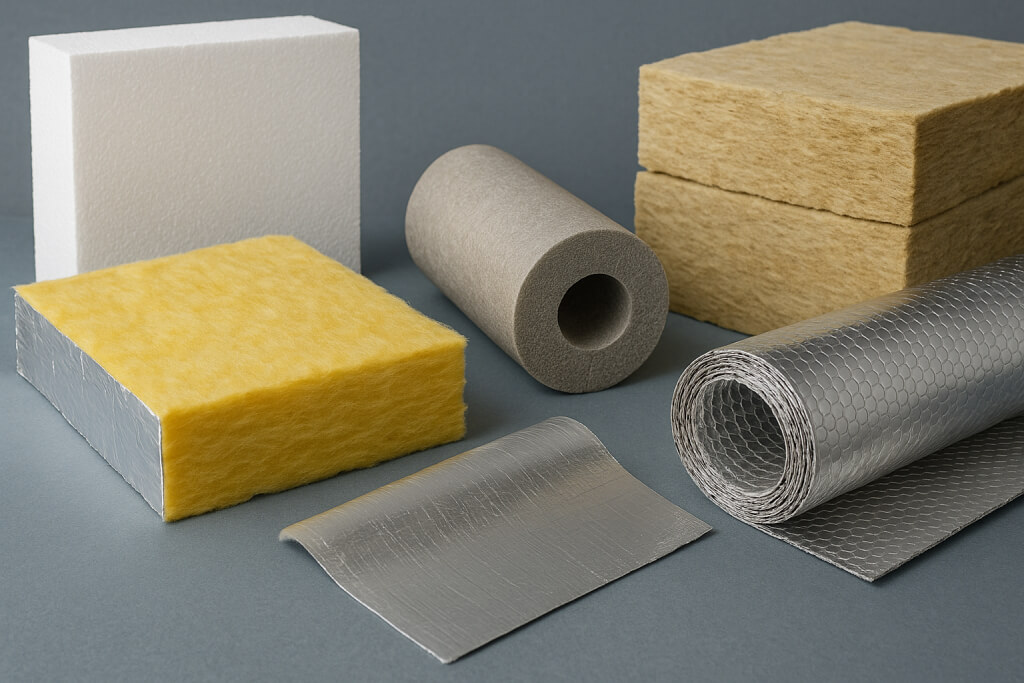
Types of Thermal Insulation Materials

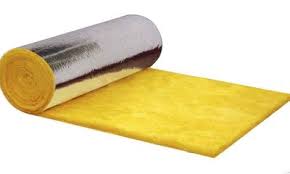
  • Fibrous Insulation (Glass wool, rock wool) – traps air within fibers
  • Foam Insulation (PUF, PIR, EPS, XPS) – closed-cell structure reduces heat flow
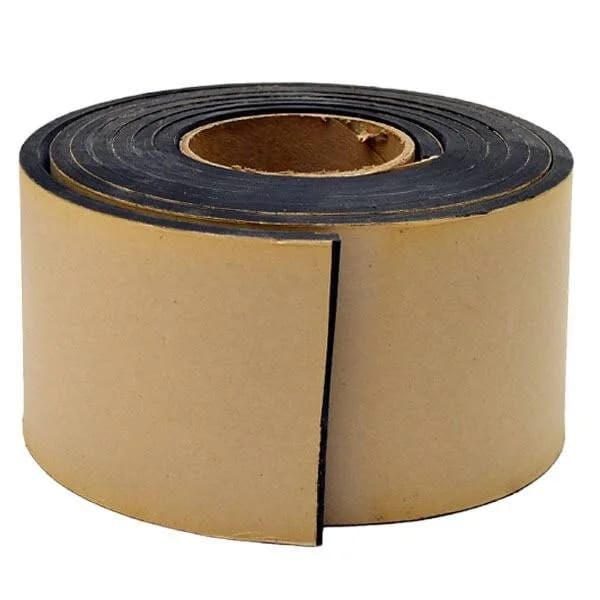
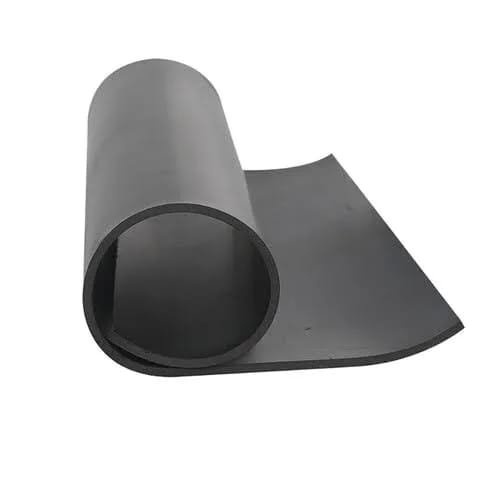
  • Elastomeric Insulation (NBR, EPDM foam) – flexible and resistant to condensation
  • Reflective Insulation (Aluminum foil-based) – reduces radiant heat transfer
  • Rigid Boards – used in construction and industrial panels

Industrial Functions

  • Energy Efficiency – Reduces heat loss or gain, lowering energy consumption
  • Temperature Control – Maintains process temperatures in industrial systems
  • Condensation Prevention – Avoids moisture formation on cold surfaces
  • Personnel Protection – Prevents burns by limiting surface temperatures
  • System Performance Optimization – Enhances efficiency of HVAC, pipelines, and equipment

Applications Across Industries

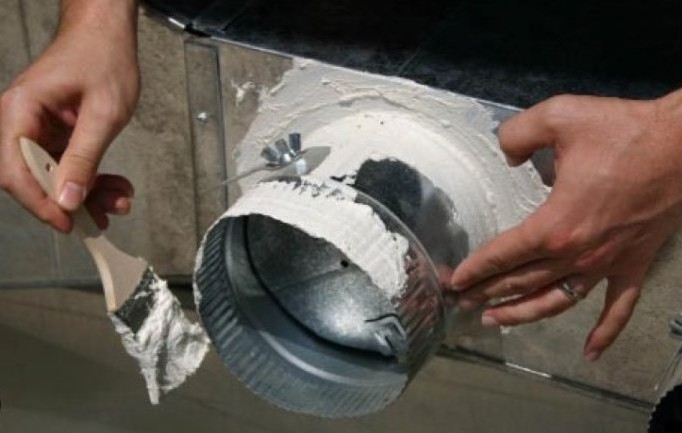
  • HVAC ducts, chillers, and pipelines
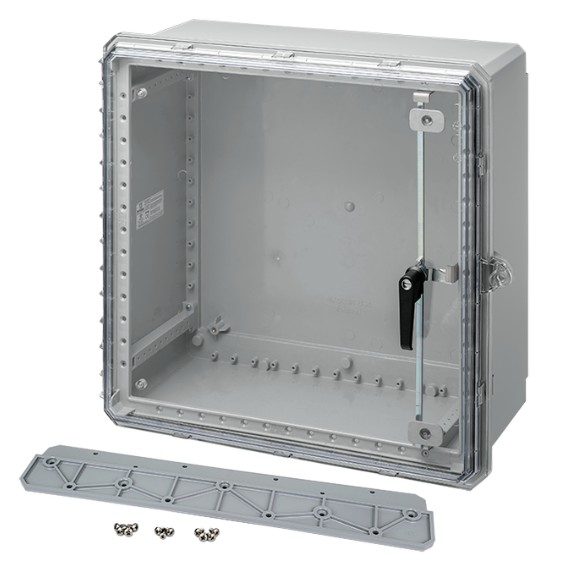
  • Electrical enclosures and temperature-sensitive equipment
  • Oil & gas pipelines and process systems
  • Automotive thermal management systems
  • Building walls, roofs, and facades

From an engineering perspective, thermal insulation is a critical control mechanism for heat transfer, enabling efficient energy use, system reliability, and safety. Proper material selection and installation directly impact operational performance and lifecycle cost.

Dagsa Make An Appointment

Request a free quote

appoinment
LIVE CHAT