+971 56 116 9670

Products

Gaskets

portfolio
portfolio
portfolio
portfolio
portfolio
portfolio

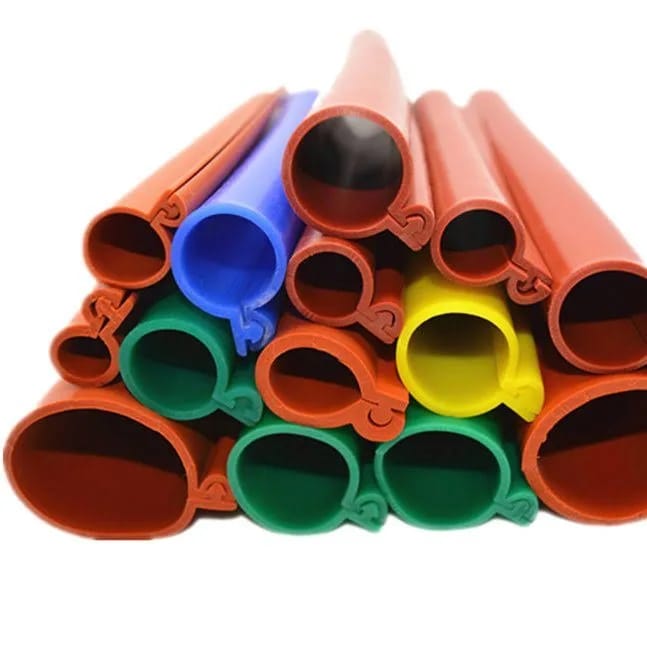
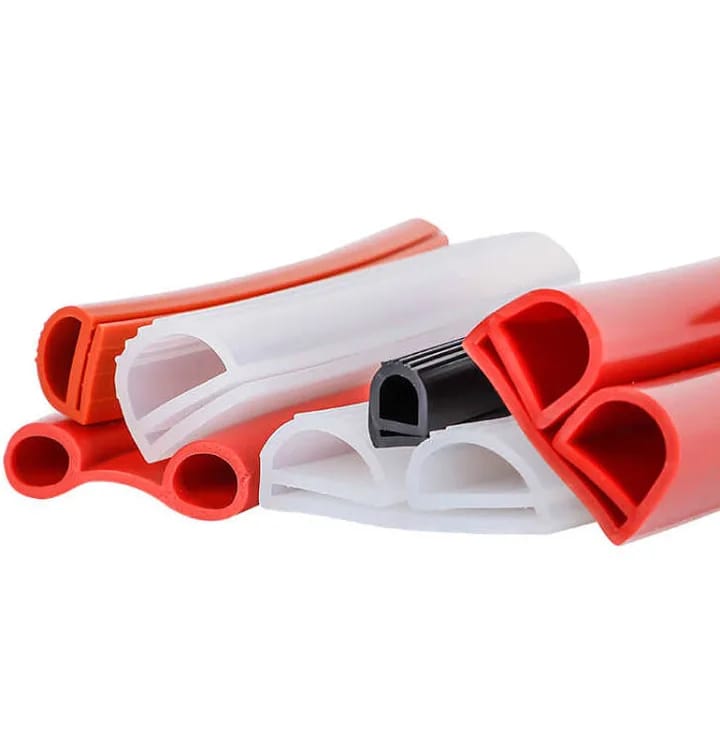
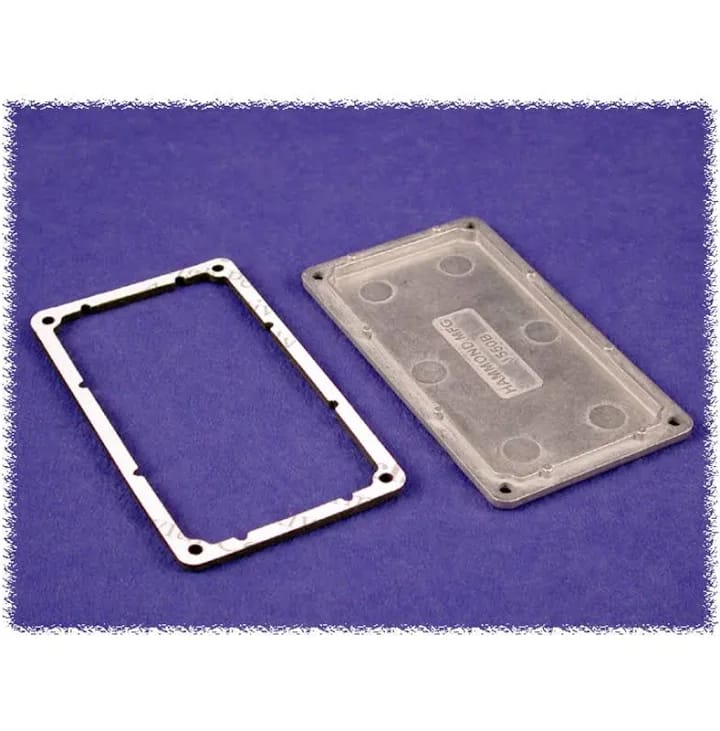
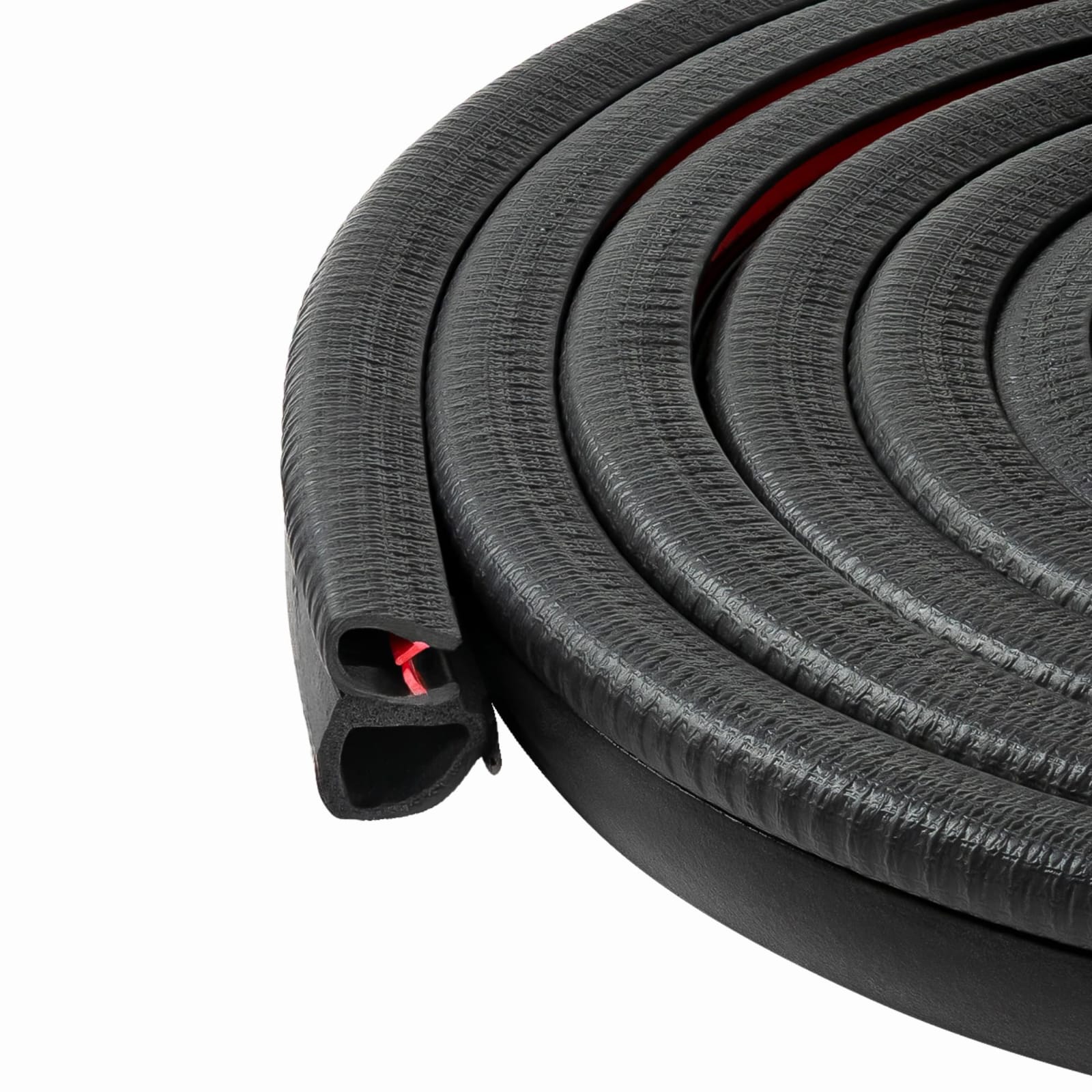
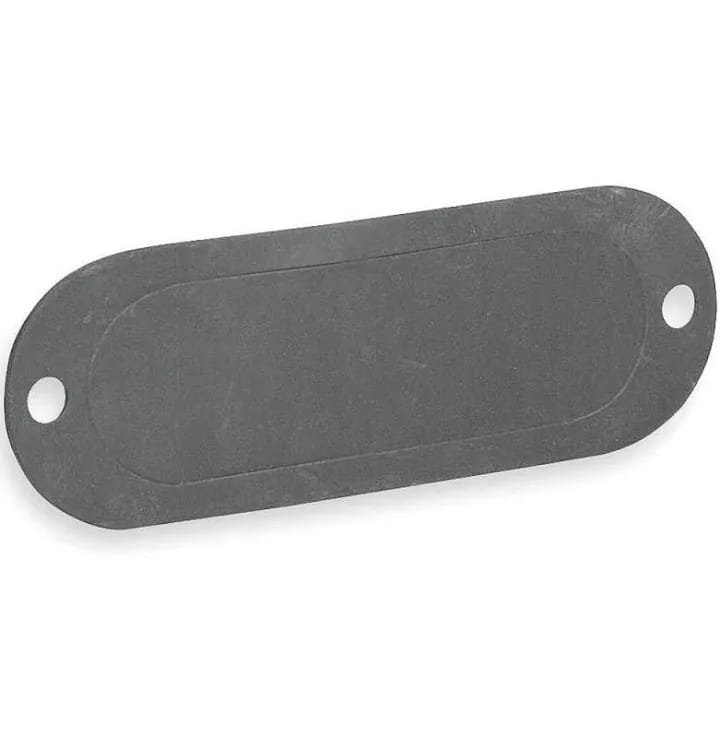
A gasket is a mechanical sealing component designed to fill the microscopic irregularities between two or more mating surfaces, typically under compression, to prevent the leakage of fluids (liquids or gases) and to maintain system integrity under varying operating conditions.

Working Principle

No machined surface is perfectly smooth. Even highly finished metal surfaces contain surface roughness and asperities (tiny peaks and valleys). When a gasket is installed:

  • It is placed between two mating flanges or surfaces
  • Compressive load (via bolts or fasteners) deforms the gasket material
  • The gasket flows into surface irregularities
  • This creates a tight, leak-proof seal

The effectiveness of a gasket depends on:

  • Compression (seating stress)
  • Material resilience (elastic recovery)
  • Compatibility with operating conditions

Key Technical Functions

  1. Leak Prevention
    • Prevents escape of gases, liquids, dust, or contaminants
    • Maintains pressure within systems
  2. Pressure Containment
    • Withstands internal system pressures without failure
  3. Environmental Sealing
    • Protects against ingress of water, dust, chemicals, or air
  4. Vibration Dampening
    • Absorbs mechanical vibrations and reduces noise
  5. Thermal Compensation
    • Accommodates expansion and contraction due to temperature changes

Types of Gasket Materials

Gaskets are manufactured from a variety of materials based on application:

  • Elastomers (Rubber-based): EPDM, Nitrile (NBR), Neoprene, Silicone
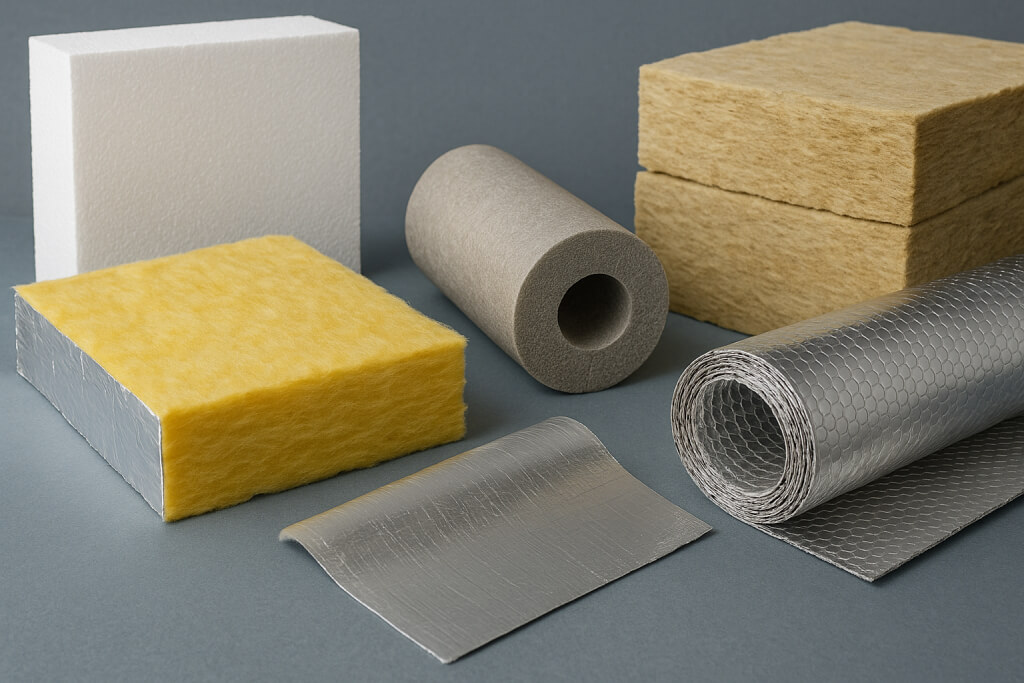
  • Non-metallic: Compressed fiber, PTFE (Teflon), graphite
  • Metallic: Stainless steel, copper, spiral wound gaskets
  • Composite: Combination of metal and soft materials

Critical Performance Parameters

When selecting a gasket, engineers consider:

  • Temperature Range
  • Pressure Rating
  • Chemical Compatibility
  • Compression Set (ability to recover after load removal)
  • Creep Relaxation (loss of sealing stress over time)
  • Hardness (Shore A)
  • Tensile Strength and Elongation

Applications in Industry

Gaskets are essential components used in:

  • Flanged joints in pipelines
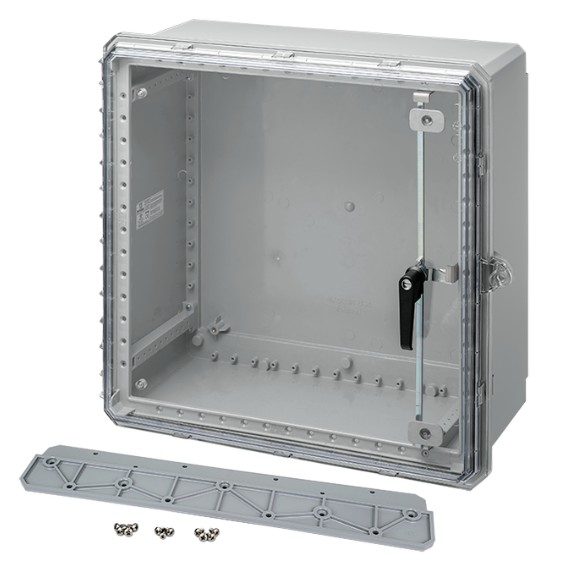
  • Electrical enclosures and panels
  • HVAC ducting systems
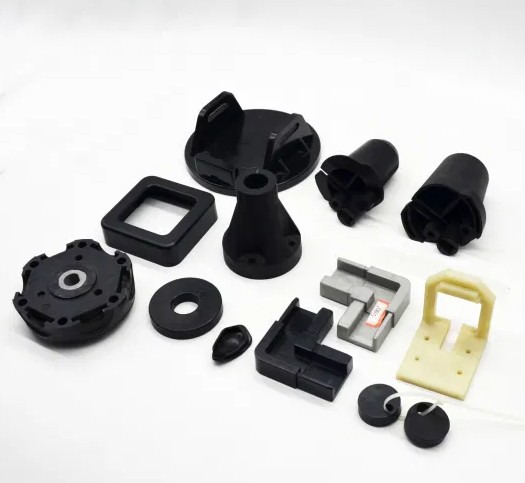
  • Automotive engines and assemblies
  • Oil & gas processing equipment
  • Construction joints and sealing systems

In engineering terms, a gasket is not just a filler—it is a critical sealing element that ensures operational safety, efficiency, and reliability of mechanical systems. Proper gasket selection, installation, and maintenance are vital to prevent leakage, equipment failure, and costly downtime.

Dagsa Make An Appointment

Request a free quote

appoinment
LIVE CHAT